

AI tools for teachers

Build a clear, fair rubric with AI in a few minutes

Choose the Key Stage, subject and task, and Madlen writes the criteria and performance levels.

  • Analytic rubric, criterion by criterion
  • Observable descriptors at every level
  • Download as PDF or Word

A real example made with Madlen

The examples below were generated in Madlen.

KS3 Science

KS3 · Science

Particle Model Explanation

1Total points: 70

Rubric type: Analytic rubric

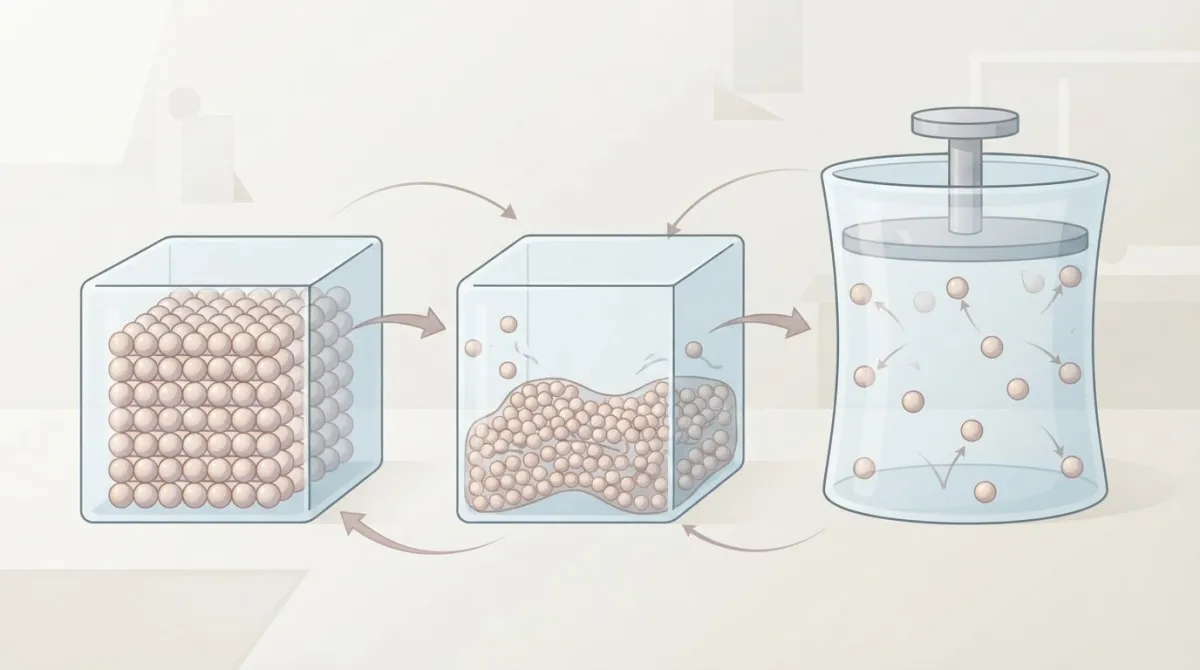
This rubric evaluates a written or spoken explanation of the properties of solids, liquids and gases, gas pressure, and changes of state using the particle model. It assesses scientific accuracy, explanations of causes, use of evidence and communication at Key Stage 3 level.

2Criterion 1

Weight: 14%

States of Matter

14%

• Solid, liquid and gas particles are shown or described with their spacing, arrangement and movement.

• Fixed shape, fixed or changing volume and ability to flow are linked to the particle arrangements.

• Forces of attraction are compared between the three states.

11%

• Solid, liquid and gas particles are shown or described.

• Shape, volume and flow are linked to particle arrangements, but one property is missing or incorrectly linked.

• Forces of attraction are compared for two states only.

8%

• Two states are shown or described using particles.

• One correct property of shape, volume or flow is linked to particle arrangement.

• Forces of attraction are stated for one state without a comparison.

5%

• One state is shown or described using particles.

• A property of shape, volume or flow is stated without a particle explanation.

• Forces of attraction are not compared.

2%

• A state of matter is named without a particle description.

• Shape, volume and flow are not linked to matter particles.

• Forces of attraction are not mentioned.

3Criterion 2

Weight: 14%

Gas Pressure

4Criterion 3

Weight: 14%

Changes of State

5Criterion 4

Weight: 14%

Energy Patterns

6Criterion 5

Weight: 14%

Scientific Communication

What you can do

Analytic, criterion by criterion

Madlen splits the assessment into separate criteria and gives each one a weighting. The top of the rubric shows the total marks, the rubric type and a short summary of what it assesses.

Observable performance levels

Each criterion is described across performance levels from highest to lowest. The descriptors name what you can actually see in the pupil’s work rather than vague words like good or fair.

Ready to share

Edit the rubric and download it as a PDF or Word file. Share it with pupils before the task so they know what success looks like from the start.

How do you make a rubric with AI?

A complete analytic rubric takes four steps in Madlen.

  1. Choose the Key Stage, subject and task

    Pick the Key Stage and the subject, then name the topic or task you want to assess.

  2. Madlen writes the criteria and weightings

    The AI splits the assessment into separate criteria and gives each one a weighting. The rubric opens with its type, the total marks and a summary of what it assesses.

    • Analytic rubric
    • Total marks
    • Criterion weighting
  3. Review the performance levels

    Each criterion is described at performance levels from highest to lowest, in terms you can observe in the work. Edit any descriptor that does not suit your class.

  4. Download and share it

    Download the rubric as a PDF or Word file. Share it with pupils before the task so they know what success looks like.

    • PDF
    • Word

Frequently asked questions

What is a rubric?

A rubric is a marking guide that lists the criteria for a piece of work and describes what each level of performance looks like for every criterion. It helps teachers mark consistently and shows pupils what is expected before they start. In UK schools it works much like a levelled mark scheme for coursework, projects and practical tasks.

How do I make a rubric with AI?

In Madlen you choose the Key Stage, the subject and the topic or task. The AI breaks the task into criteria, gives each one a weighting and writes a descriptor for every performance level. You review the rubric, adjust it and download it.

What is the difference between an analytic and a holistic rubric?

An analytic rubric marks each criterion separately, so it shows where a pupil is strong and where they need work. A holistic rubric gives the whole piece one overall mark. Madlen’s sample rubrics are analytic, with every criterion marked on its own weighting.

What does a rubric from Madlen look like?

Our sample is a KS3 science rubric for explaining the particle model, worth 70 marks in total. It has five weighted criteria, from states of matter to scientific communication. Each criterion is described at five performance levels in terms a teacher can observe.

How do I get started with Madlen?

Madlen has a free plan for individual teachers, and you can compare every plan on the Madlen pricing page. Schools can also start with a pilot, during which our team runs a personalised onboarding process with the school.

Start with Madlen for free

Every new account starts with 14 days of Pro, so you can try the tools on this page with your own classes.

See plans and pricing