
AI tools for teachers

Create lesson notes pupils can read or hear with an AI notes generator

Madlen turns your learning outcomes or ideas into a colourful summary page with an optional audio explanation.

  • Colourful notes from your learning outcomes
  • A visual summary page to read
  • Optional audio explanation of the topic

A real example made with Madlen

The examples below were generated in Madlen.
Year 10 History
Audio version 0:00 / 7:13

What the note covers

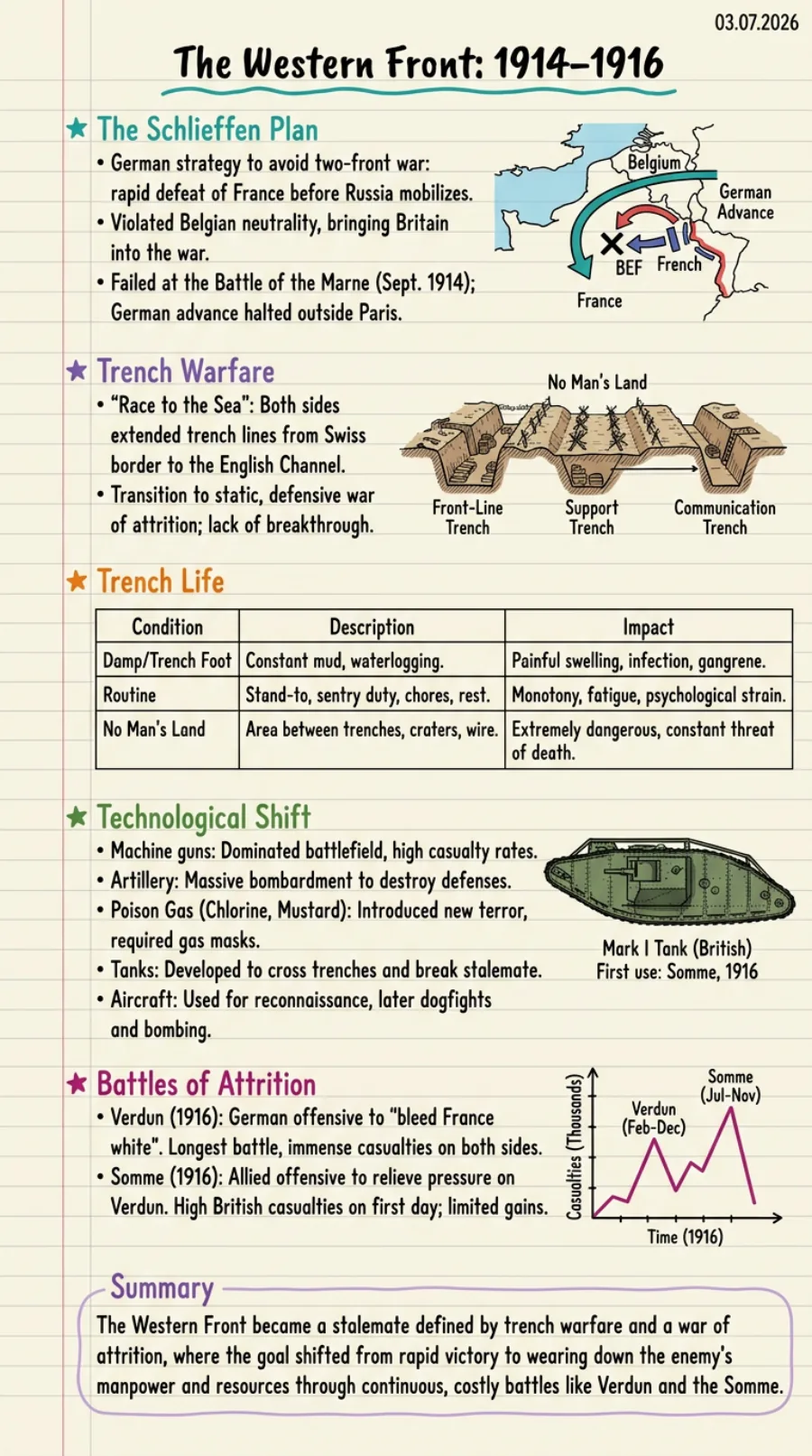
The Western Front: 1914–1916

The Schlieffen Plan
  • German strategy to avoid two-front war: rapid defeat of France before Russia mobilizes.
  • Violated Belgian neutrality, bringing Britain into the war.
  • Failed at the Battle of the Marne (Sept. 1914); German advance halted outside Paris.
Trench Warfare
  • "Race to the Sea": Both sides extended trench lines from Swiss border to the English Channel.
  • Transition to static, defensive war of attrition; lack of breakthrough.
  • Front-Line Trench, Support Trench, Communication Trench, No Man's Land
Trench Life
  • Damp/Trench Foot: Constant mud, waterlogging. Impact: Painful swelling, infection, gangrene.
  • Routine: Stand-to, sentry duty, chores, rest. Impact: Monotony, fatigue, psychological strain.
  • No Man's Land: Area between trenches, craters, wire. Impact: Extremely dangerous, constant threat of death.
Technological Shift
  • Machine guns: Dominated battlefield, high casualty rates.
  • Artillery: Massive bombardment to destroy defenses.
  • Poison Gas (Chlorine, Mustard): Introduced new terror, required gas masks.
  • Tanks: Developed to cross trenches and break stalemate.
  • Aircraft: Used for reconnaissance, later dogfights and bombing.
  • Mark I Tank (British). First use: Somme, 1916
Battles of Attrition
  • Verdun (1916): German offensive to "bleed France white". Longest battle, immense casualties on both sides.
  • Somme (1916): Allied offensive to relieve pressure on Verdun. High British casualties on first day; limited gains.
Summary
  • The Western Front became a stalemate defined by trench warfare and a war of attrition, where the goal shifted from rapid victory to wearing down the enemy's manpower and resources through continuous, costly battles like Verdun and the Somme.

What you can do

Visual summary page

The key points of the topic are gathered on one colourful page, which pupils can use to revise after the lesson.

Audio companion

Choose the audio-only format to get the notes as a spoken explanation. Pupils who prefer to listen get the same content in a form that suits them.

Ready for your lesson

The note page and its audio are ready to use in class as soon as they are generated, so a revision resource takes minutes rather than an evening.

How to make lesson notes with AI

In Madlen a set of lesson notes is ready in four steps. The options below come from the platform form itself.

  1. Choose the curriculum and subject

    Select UK Curriculum and the subject you teach. You also set the output language in this step.

    • UK Curriculum
    • Output language
  2. Pick a starting point

    Start the notes from curriculum topics, from your own prompt or from a document you upload.

    • Prompt
    • Topics
    • Upload a document
  3. Choose the sheet type and layout

    Choose notes only or notes with questions. Set the orientation and the number of pages, and add comprehension questions between pages if you like.

    • Notes
    • Questions + notes
    • Portrait
    • Landscape
    • 1 to 4 pages
    • Comprehension questions
  4. Improve and download

    Improve any page, fix spelling with AI and create audio so the notes can be listened to. Download them as a PDF or PNG for your lesson.

    • Improve
    • Fix spelling
    • Create audio
    • PDF and PNG

Frequently asked questions

How do I create lesson notes with AI?

Open Madlen's Notes Generator, enter your topic and choose the output format. The AI produces a colourful summary page in minutes, and you can add an audio explanation of the same topic.

What is Madlen's Notes Generator?

Madlen's Notes Generator is an AI tool that turns learning outcomes or ideas into colourful lesson notes. It creates both a visual summary page and an optional audio companion, and it is one of more than 50 ready-made teacher tools on Madlen.

Can AI turn revision notes into audio?

Yes. Madlen's Notes Generator has an audio-only format that explains the topic out loud. Pupils can read the note page, listen to the explanation, or do both.

Can I make notes for KS3 and GCSE topics?

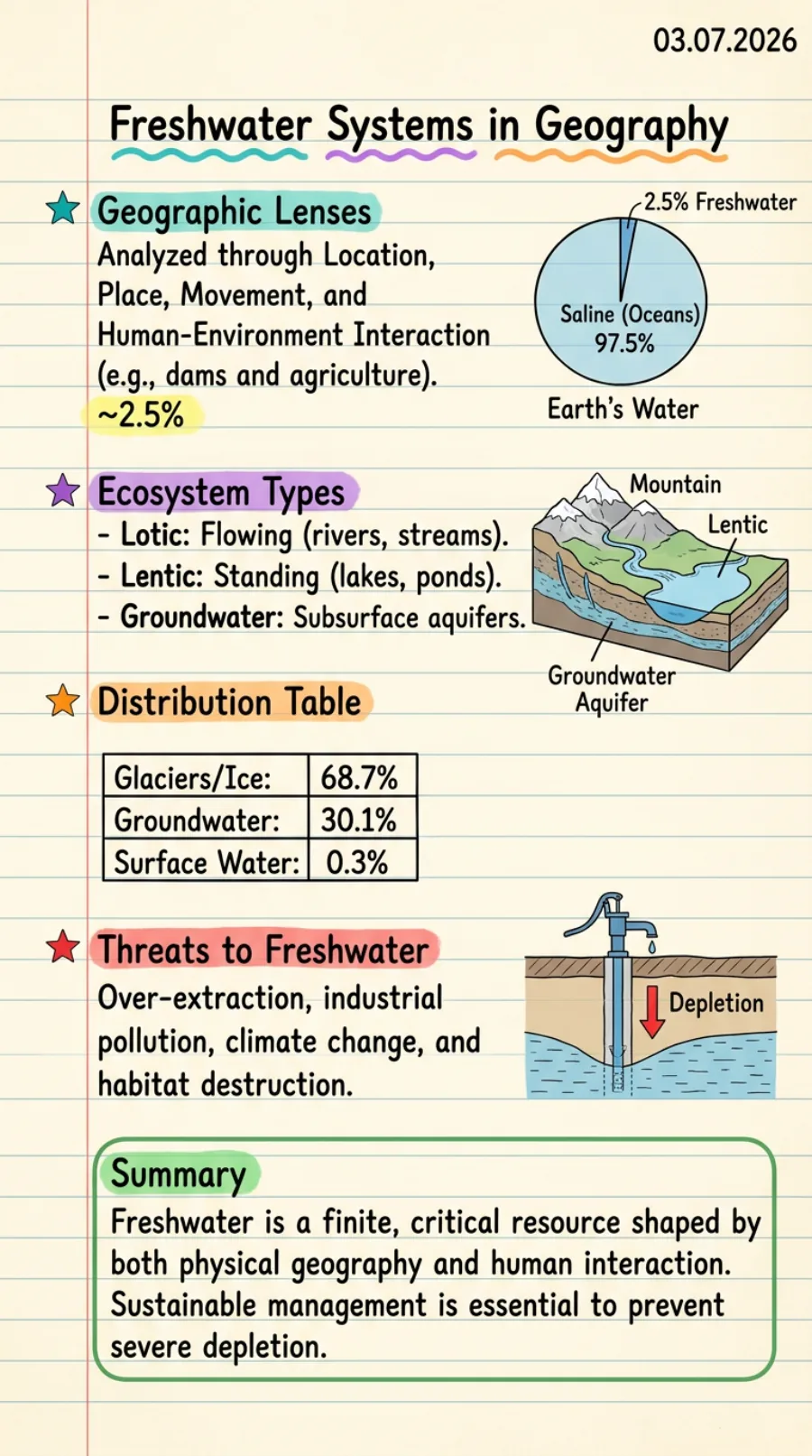
Yes. Because you choose the topic, Madlen's Notes Generator is not tied to one subject or key stage. History and geography topics, for example, come out as an illustrated note page with an audio explanation of several minutes.

Is the Notes Generator free for UK teachers?

The Notes Generator is not one of the Pro-only tools, so it is open on Madlen's free plan. The free plan starts with 14 days of Pro, and the pricing page shows what each paid plan adds.

Start with Madlen for free

Every new account starts with 14 days of Pro, so you can try the tools on this page with your own classes.


See plans and pricing